
Data Centers and Digital Investment Are Powering the Next Chapter of Growth in North Carolina’s Southeast

For decades, the North Carolina's Southeast region has built its economy on a set of unique competitive advantages: strong transportation access and logistics expertise, a significant military presence, advanced manufacturing, deep agricultural roots, and a skilled workforce. Today, another competitive advantage is emerging across the region’s 20 counties: digital infrastructure.
As businesses lean more heavily on cloud computing, artificial intelligence, automation, and data-driven operations, communities with the physical and technological capacity to support those needs are drawing serious investment. From broadband expansion and fiber deployment to data center development, North Carolina's Southeast is making deliberate moves to compete in the digital economy.
Building the Foundation for a Digital Future
Reliable, high-speed internet connection has become as fundamental to economic development as roads, rail, and utilities. North Carolina has responded with significant investment in broadband infrastructure. In 2026, the state launched projects aimed at connecting more than 93,000 additional homes, businesses, and community institutions through federal Broadband Equity, Access, and Deployment (BEAD) funding.
The NC Broadband Awards Dashboard shows that 19 of North Carolina’s Southeast counties have been awarded a total of more than $132 million in grants, with the potential to improve internet access for more than 46,000 households and 3,000 businesses across the region.
For these counties, expanded broadband means more than just faster internet. It opens doors for advanced manufacturing operations, telehealth, online education, and business recruitment. Rural communities that once struggled to make the case to tech-oriented site selectors now have something concrete to point to.
Workforce development is another piece of the puzzle. Educational institutions across the region are building out their tech and STEM pipelines. Additionally, the state's partnership with the North Carolina Community College System provides the NCEdge Customized Training Program, a flexible, employer-driven training model where faculty build curricula around the specific software, ERP systems, or technology a company uses. For technology employers considering the region, NCSE is well-positioned to connect them to this workforce ecosystem and to the incentives available at both the state and local levels. You can learn more about the region’s workforce training programs here.
The Rise of Data Centers
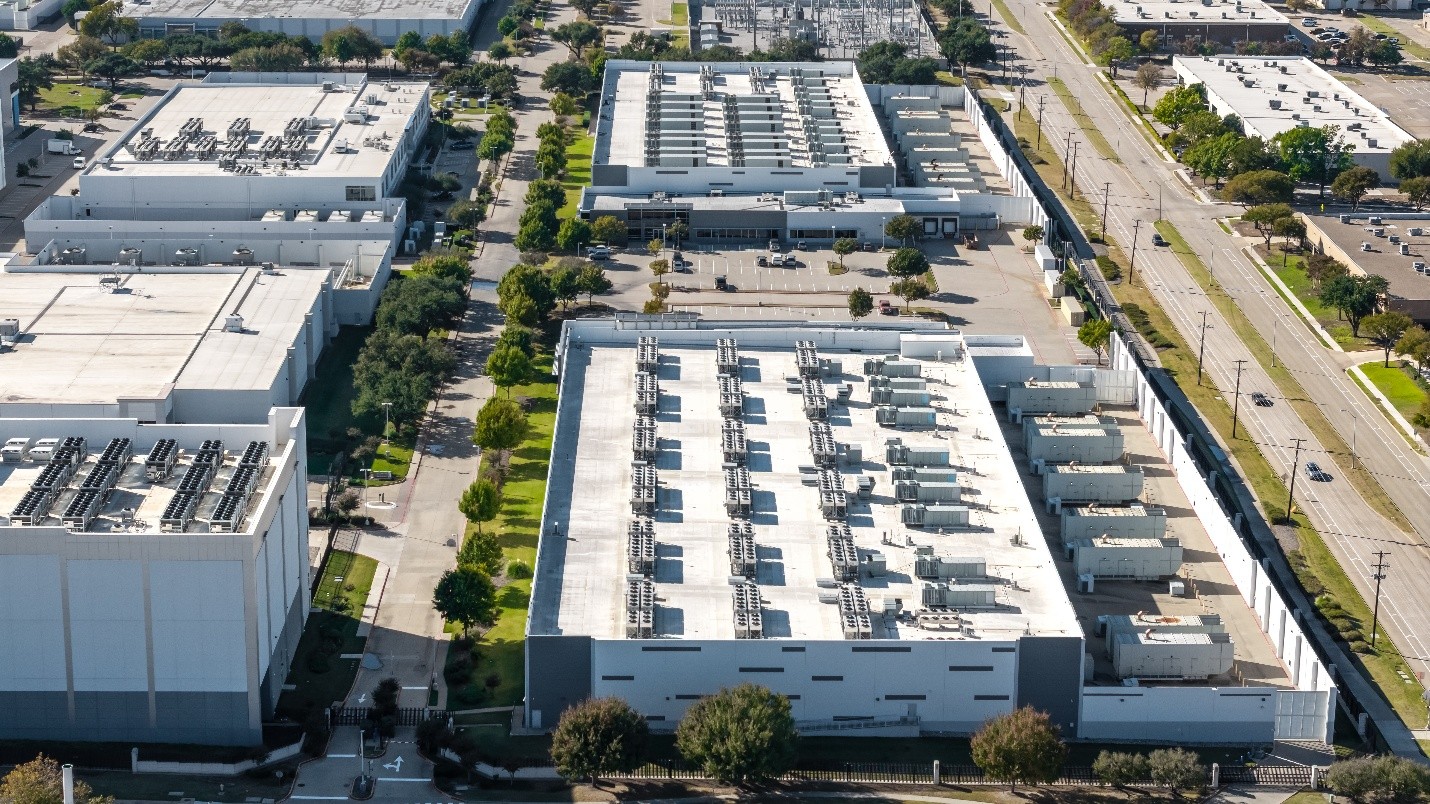
The explosion of cloud computing and artificial intelligence has driven unprecedented demand for data centers across the country. These facilities are the physical backbone of the modern digital economy, housing the servers and networking equipment that power everything from streaming services and financial transactions to AI workloads and enterprise software.
North Carolina has become one of the fastest-growing data center markets in the nation, and the counties of North Carolina's Southeast have been positioning themselves with competitive local and state incentives, available shovel-ready land, lower real estate and operating costs, scalable power infrastructure, and proximity to major East Coast tech corridors.
The preparation has paid off in a significant way. Amazon Web Services' planned $10 billion investment in a Richmond County data center, one of the largest economic development projects in state history, is expected to create at least 500 high-skilled jobs while spurring substantial construction activity and infrastructure improvements in the surrounding area.
Large-scale projects like this serve as catalysts for economic growth and development. Power infrastructure gets upgraded. Fiber networks expand. Water systems improve. Workforce training programs grow. The ripple effects can meaningfully strengthen a community's long-term position and attract complementary industries that depend on reliable digital infrastructure.
Why Digital Infrastructure Matters
Digital infrastructure is no longer a standalone industry. It is what underlies every industry that will supply the jobs of the future and power local economies.
Manufacturers rely on automation, robotics, and real-time data analytics. Logistics companies run on sophisticated tracking systems and cloud-based operations. Healthcare providers depend on telemedicine and digital records. Schools and universities are expanding online offerings. Even farming has changed, with precision agriculture technologies requiring broadband connectivity and cloud computing.
Communities that invest in digital readiness give businesses the environment they need to innovate, grow, and stay competitive. In North Carolina's Southeast, those investments build on, rather than replace, existing strengths in manufacturing, aerospace, defense, agri-business, and distribution.
Looking Ahead
The economy is moving in a digital direction, and North Carolina's Southeast is moving with it. Investments in broadband, fiber, data centers, and technology workforce development are building the foundation for long-term growth.
Manufacturing plants, distribution centers, and industrial facilities are not going anywhere, but the digital infrastructure supporting those industries is just as important to maintain and grow. Communities that make these investments will be better positioned to attract jobs, support innovation, and compete for what comes next.
Across North Carolina's Southeast, digital connectivity is becoming something more than a utility. It is becoming an integral part of the engine that is economic growth.